Engine Oil Guide: How to Choose the Right Engine Oil for Your Vehicle or Equipment
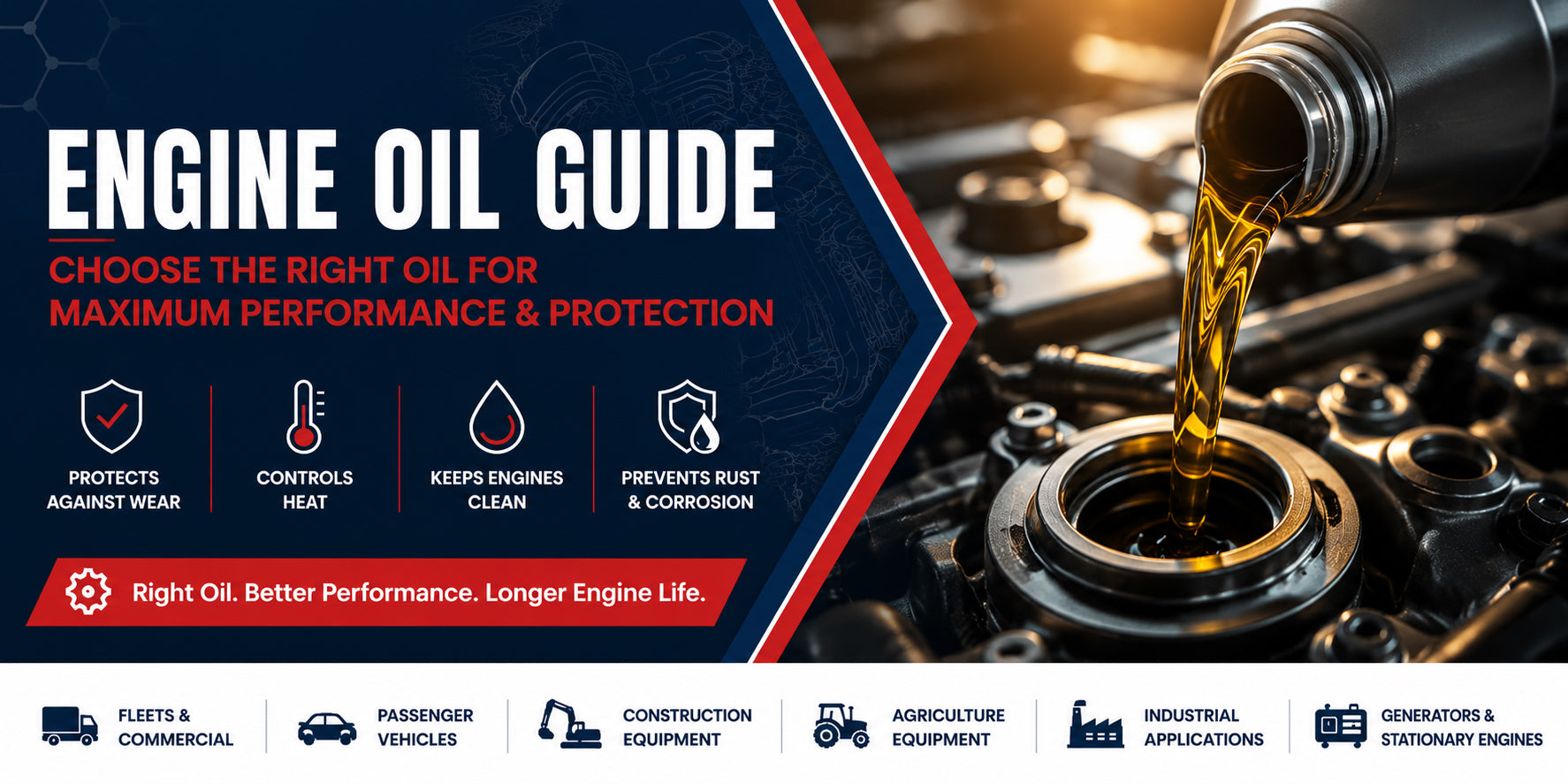
Engine oil helps protect engines from wear, heat, sludge, deposits, and friction. Choosing the correct engine oil depends on viscosity grade, engine type, operating conditions, temperature, and manufacturer recommendations.
The best engine oil is the one that matches your engine’s required viscosity grade, performance specifications, and operating conditions. Common engine oil grades include 5W30, 10W30, 15W40, and SAE 40. Diesel engines and gasoline engines may require different oil formulations.
What Is Engine Oil?
Engine oil is a lubricant designed to protect internal engine components from friction, wear, heat, sludge, corrosion, and contamination. It creates a protective film between moving parts while helping cool and clean the engine.
Modern engine oils are formulated with base oils and additive packages that improve performance under different temperatures, loads, and operating conditions.
Main Functions of Engine Oil
Wear Protection
Engine oil reduces metal-to-metal contact and helps protect moving engine parts.
Heat Control
Engine oil helps absorb and transfer heat away from engine components.
Engine Cleaning
Detergent additives help control sludge, deposits, and contamination.
Corrosion Protection
Engine oil helps protect internal engine parts from rust and corrosion.
Types of Engine Oil
Conventional Engine Oil
Conventional engine oil is commonly used in many standard applications and provides reliable protection for normal operating conditions.
Synthetic Blend Engine Oil
Synthetic blend oils combine conventional and synthetic base oils for improved performance and protection.
Full Synthetic Engine Oil
Full synthetic engine oil offers improved oxidation resistance, temperature performance, wear protection, and longer service life.
What Does Engine Oil Viscosity Mean?
Engine oil viscosity describes how thick or thin the oil is at different temperatures. The viscosity grade affects oil flow during cold starts and engine protection at operating temperature.
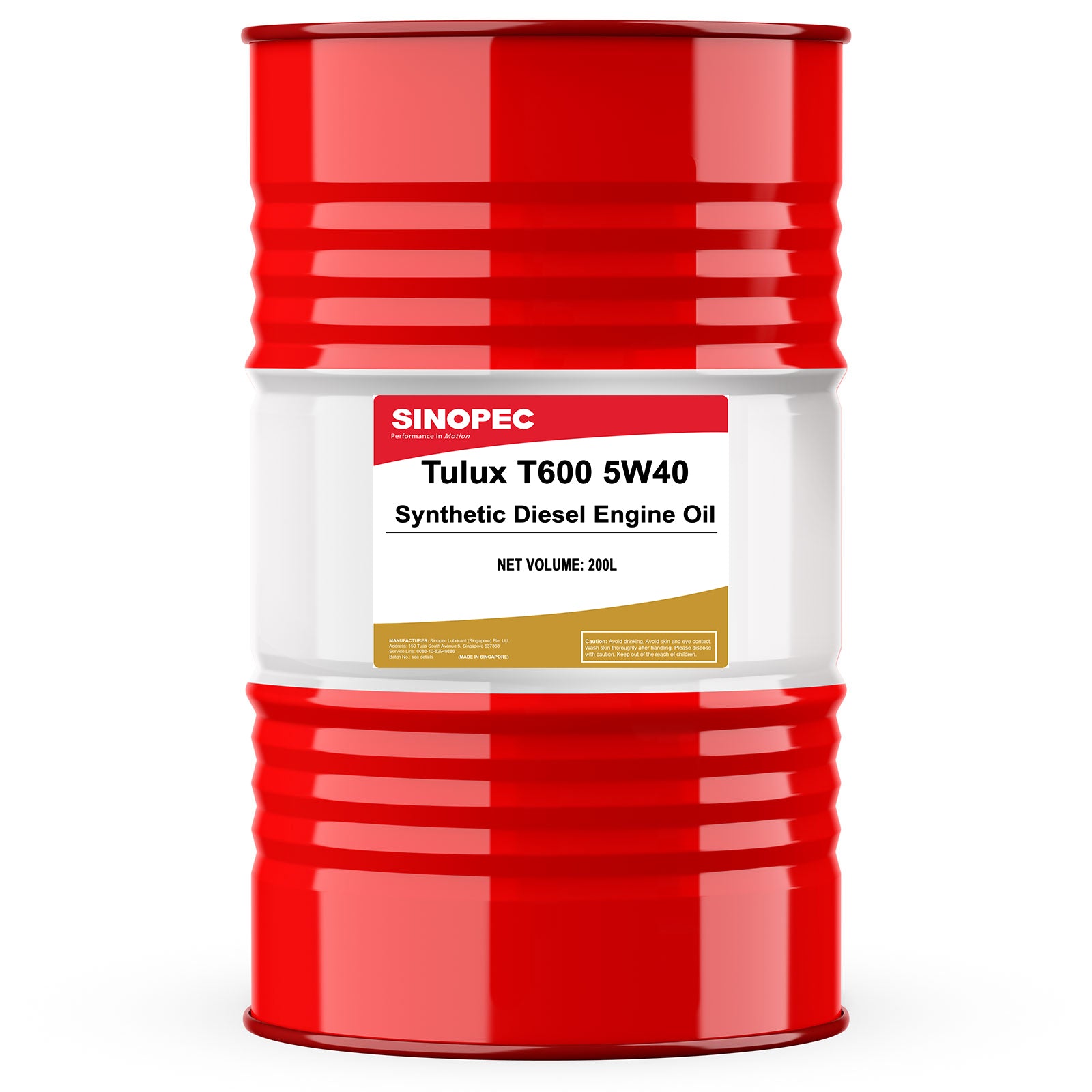
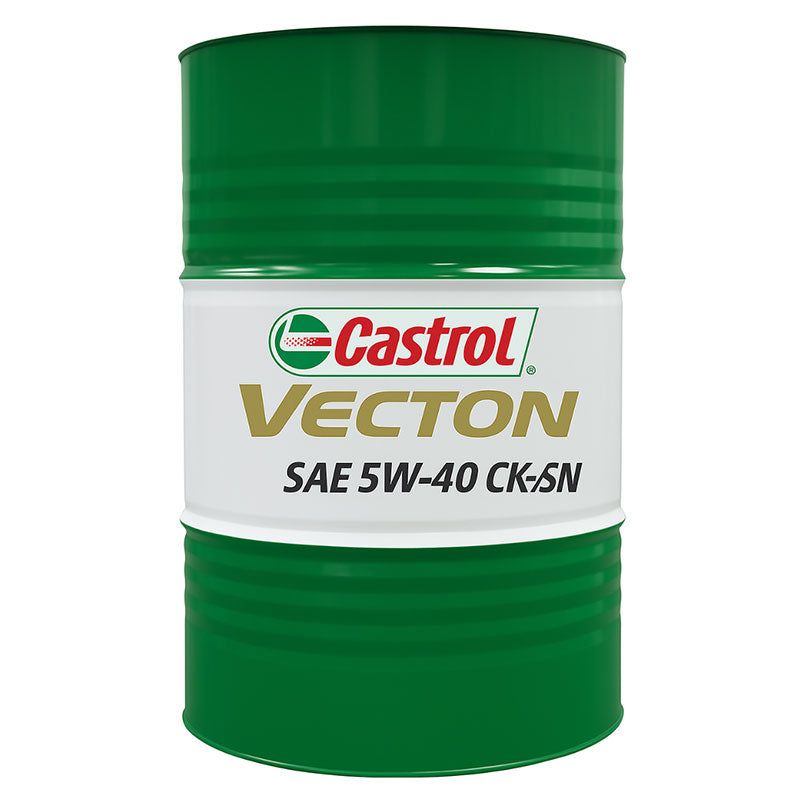
Common engine oil grades include 5W30, 10W30, 15W40, 5W40, and SAE 40. Multi-viscosity oils are designed to perform across different temperature ranges.
| Engine Oil Grade | General Use | Common Applications |
|---|---|---|
| 5W30 | Lower viscosity multi-grade oil | Passenger vehicles and light-duty applications |
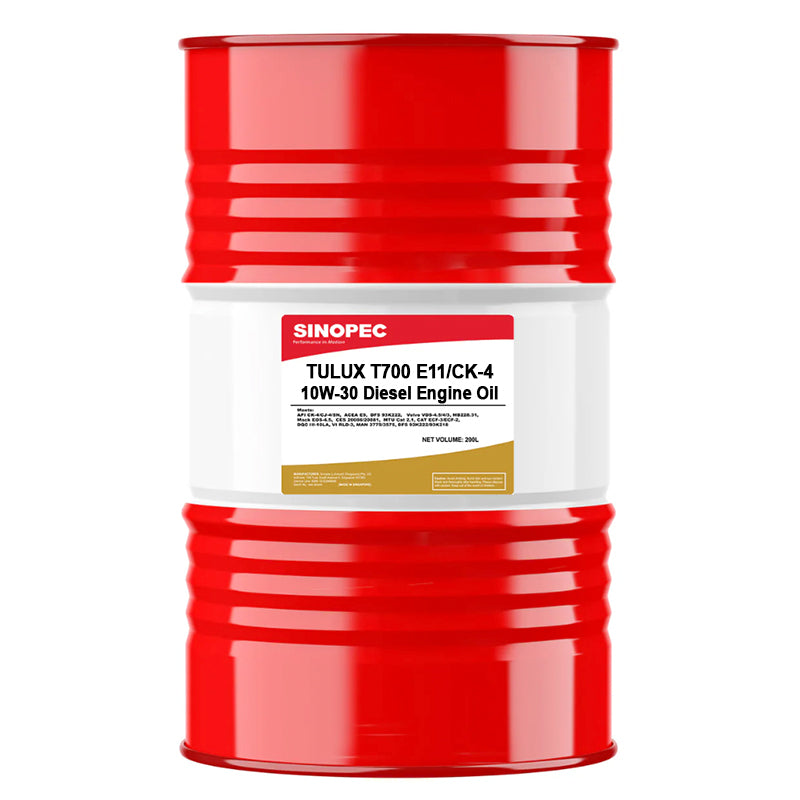
| 10W30 | Balanced viscosity oil | General gasoline and diesel engine applications |
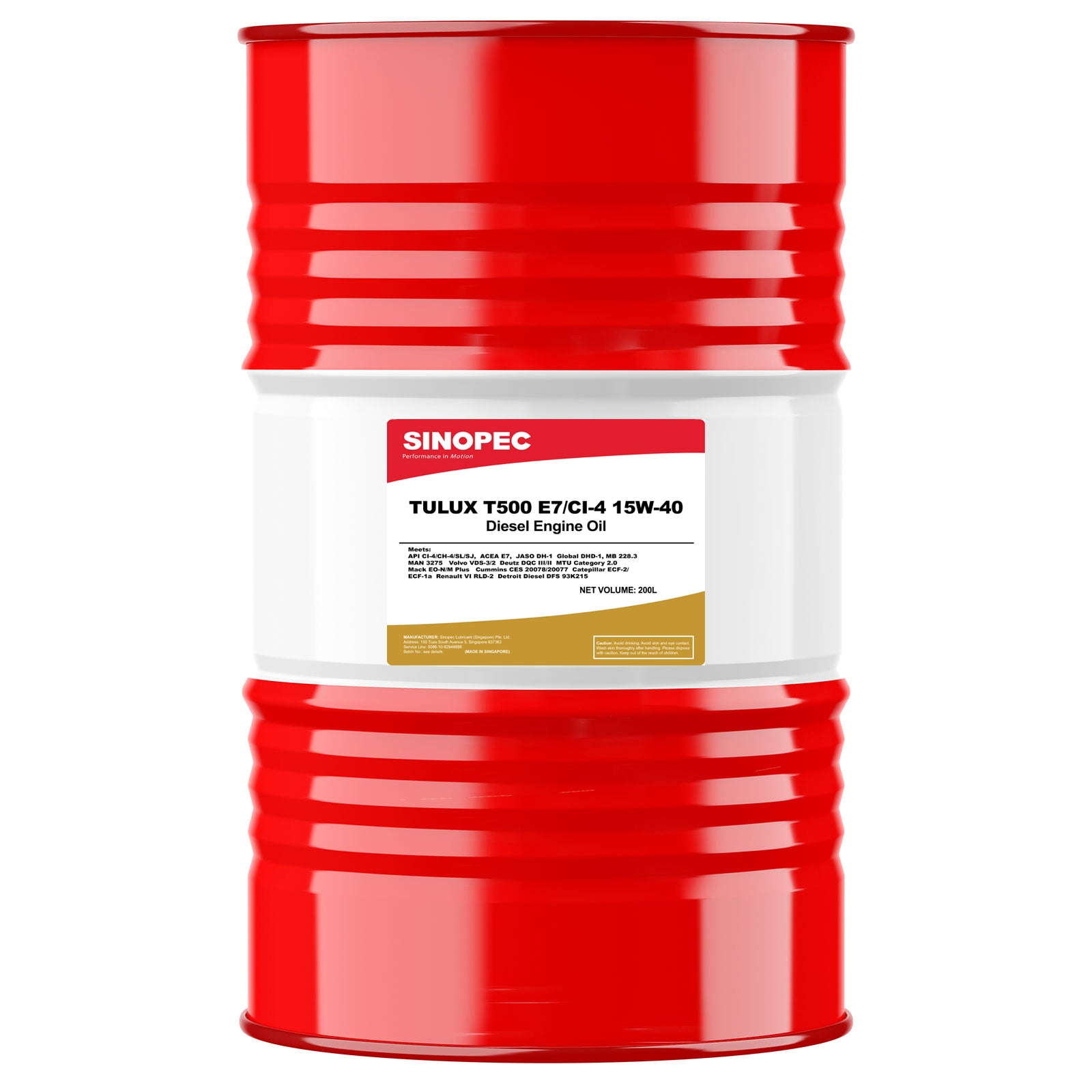
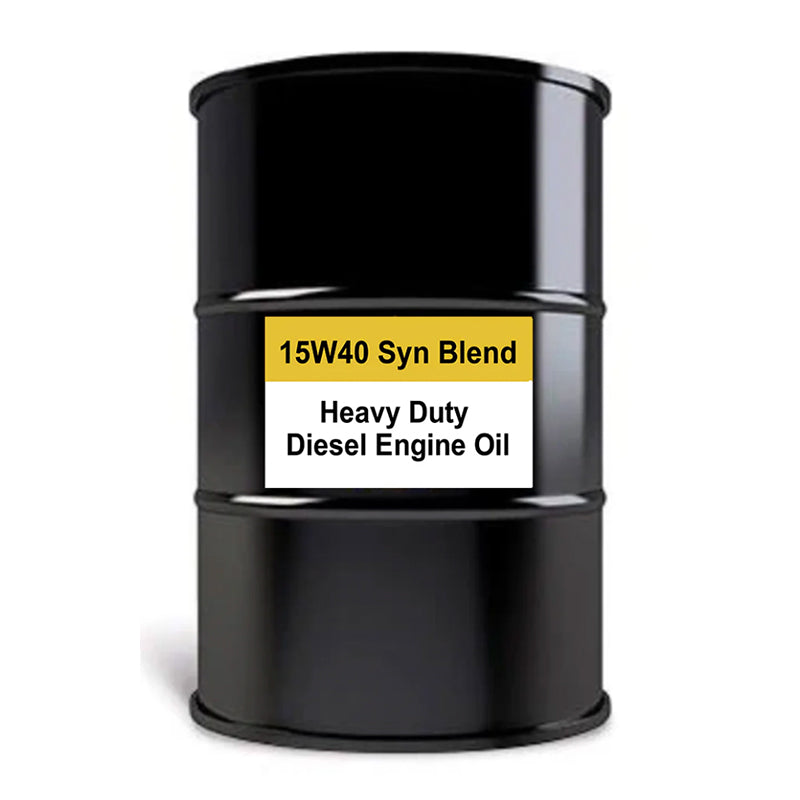
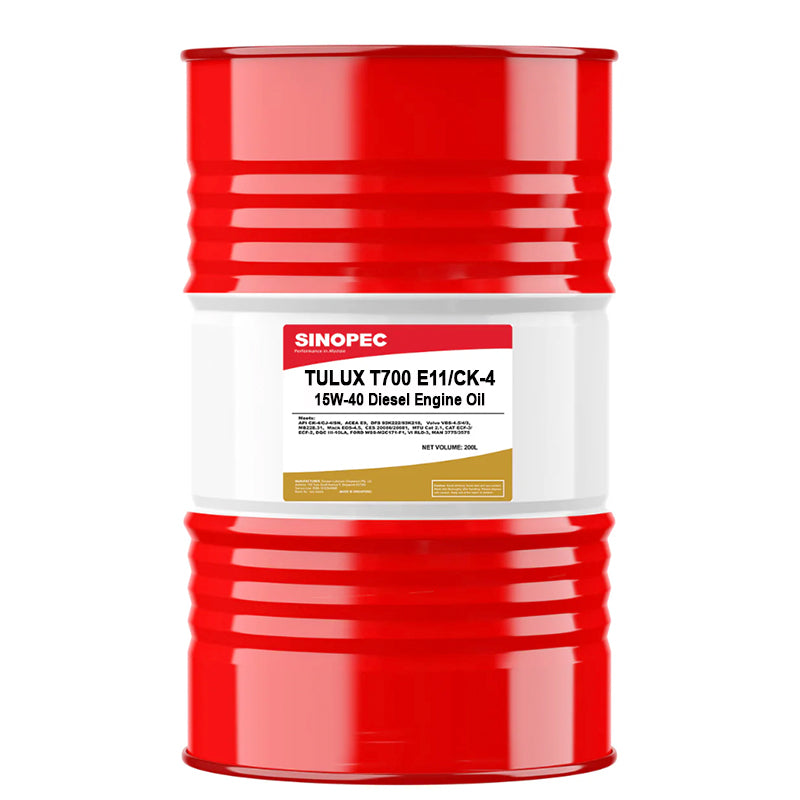
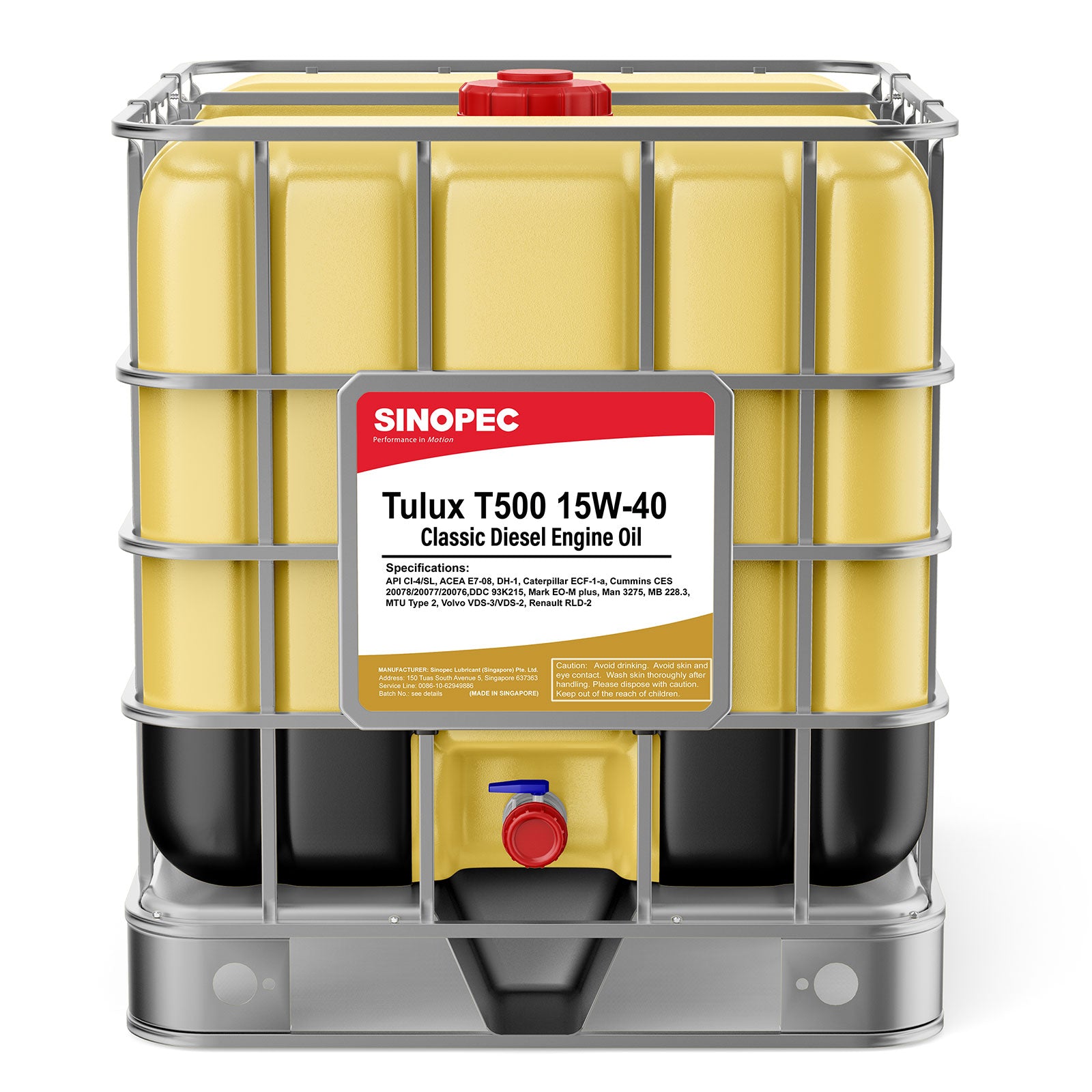
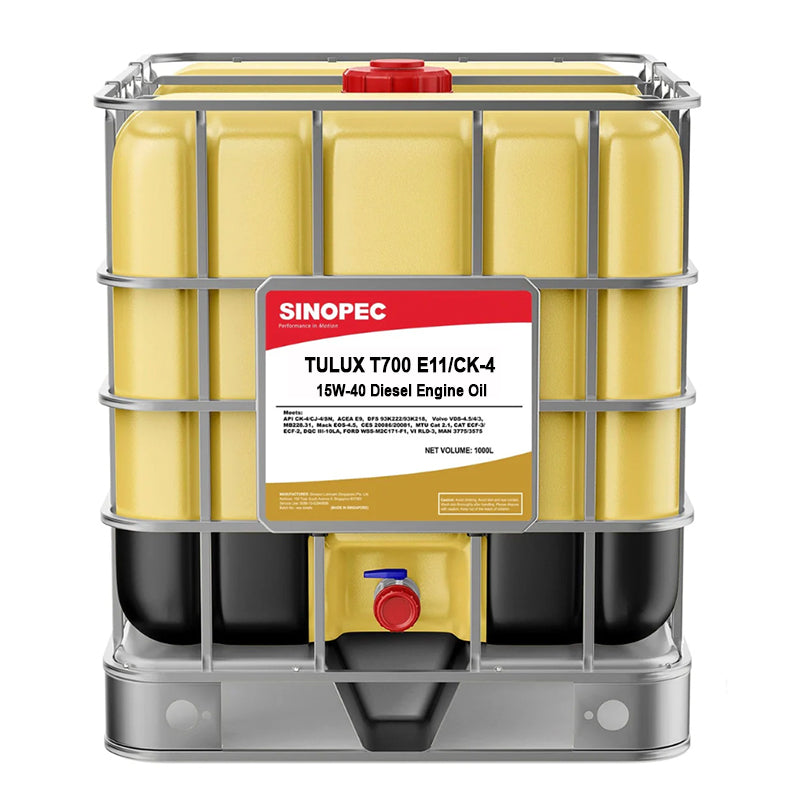
| 15W40 | Heavy-duty engine oil | Diesel engines, fleets, industrial equipment |
| 5W40 | Synthetic heavy-duty oil | Cold-weather and heavy-duty applications |
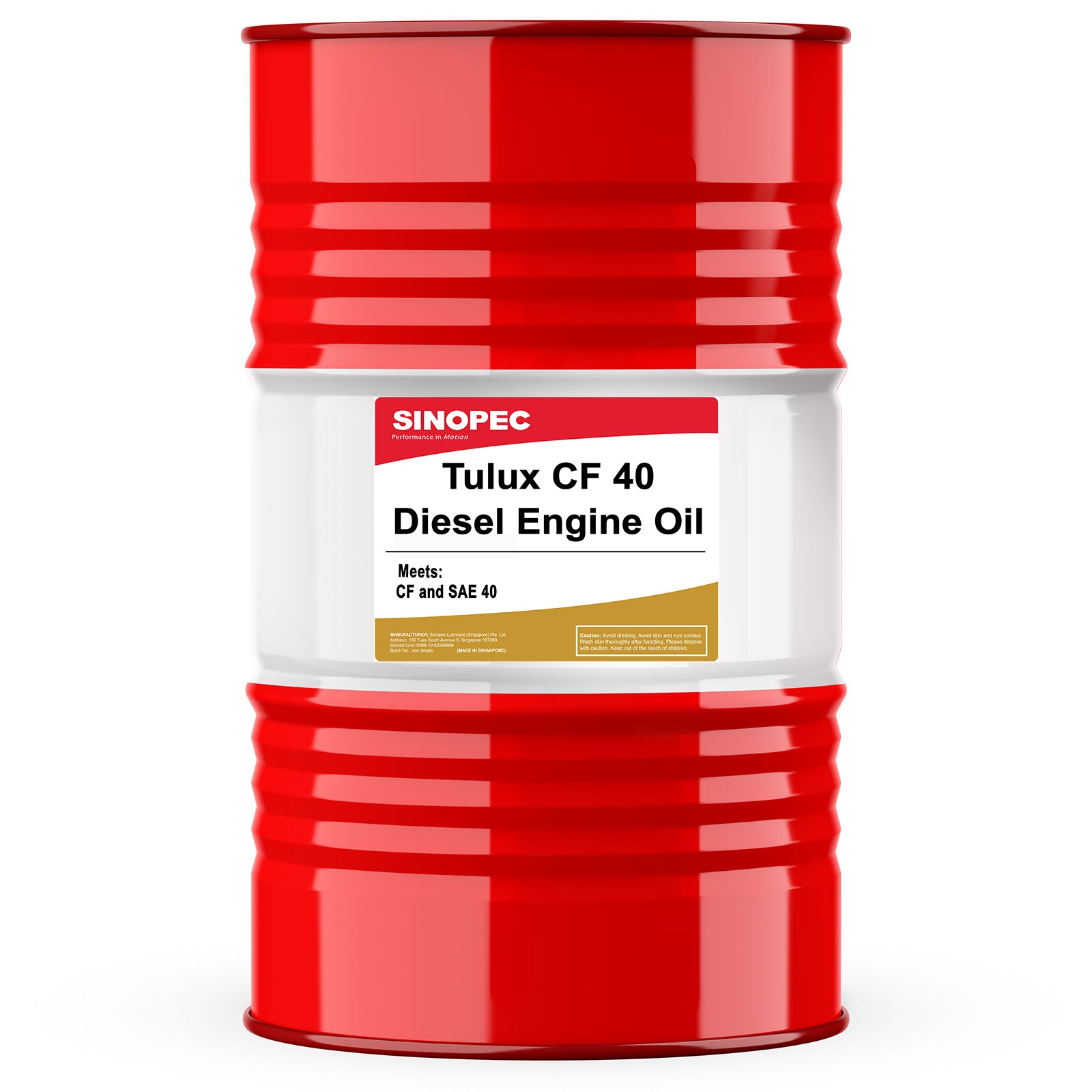
| SAE 40 | Single-grade oil | Industrial and stationary engine applications |
Diesel Engine Oil vs Gasoline Engine Oil
Diesel engine oils and gasoline engine oils are formulated differently. Diesel engine oils are designed to handle higher soot levels, heavier loads, and severe operating conditions.
Diesel Engine Oil
- Designed for heavy-duty diesel engines
- Handles soot and high load conditions
- Common grades include 15W40 and 10W30
- Used in trucks, fleets, agriculture, and industrial equipment
Gasoline Engine Oil
- Designed for gasoline-powered engines
- Focuses on fuel economy and deposit control
- Common grades include 5W30 and 0W20
- Used in passenger vehicles and light-duty engines
How to Choose the Right Engine Oil
- Check the owner’s manual for the recommended viscosity and specifications.
- Choose the correct viscosity grade based on operating temperatures and application.
- Consider engine type — diesel and gasoline engines may require different oils.
- Select synthetic or conventional oil depending on operating conditions and maintenance goals.
- Follow manufacturer service intervals for oil changes and maintenance.
Common Signs You May Need an Oil Change
- Dark or dirty engine oil
- Engine running hotter than normal
- Reduced engine performance
- Unusual engine noise
- Oil warning light appears
- Increased exhaust smoke
- Manufacturer service interval reached
Engine Oil FAQs
Here are answers to common questions about engine oil, viscosity grades, diesel engine oil, and oil selection.
What does 15W40 mean?
15W40 is a multi-viscosity engine oil grade designed to provide flow at lower temperatures while maintaining protection at operating temperature.
What is the difference between synthetic and conventional oil?
Synthetic oils are engineered for improved performance, temperature stability, and oxidation resistance compared to conventional oils.
Can diesel oil be used in gasoline engines?
Some oils may meet both gasoline and diesel specifications, but always follow the equipment manufacturer recommendation.
Which engine oil is best for heavy-duty diesel engines?
Heavy-duty diesel engines commonly use 15W40, 10W30, or synthetic diesel engine oils depending on operating conditions.
How often should engine oil be changed?
Oil change intervals depend on engine type, operating conditions, oil type, and manufacturer recommendations.
Shop Engine Oil
Explore engine oil products for diesel engines, gasoline engines, industrial equipment, fleets, and heavy-duty applications.
View Engine Oil Products
Quick Engine Oil Facts
Wear Protection
Helps reduce friction and protect moving engine components.
Heat Control
Transfers heat away from engine parts during operation.
Engine Cleaning
Helps control sludge, deposits, and contamination buildup.
Longer Engine Life
Proper lubrication supports engine durability and performance.
Common Engine Oil Grades
Commonly used in passenger vehicles and light-duty applications.
Balanced engine oil grade for general operating conditions.
Heavy-duty engine oil commonly used in diesel engines and fleets.
Single-grade oil used in industrial and stationary engine applications.
Best Engine Oil by Application
Trucks & Fleets
Heavy-duty diesel engine oils such as 15W40 are commonly used in trucking and fleet operations.
Passenger Vehicles
Passenger vehicles commonly use lower viscosity multi-grade oils like 5W30.
Construction Equipment
Heavy-duty engine oils help protect construction equipment operating under load and heat.
Industrial Engines
Industrial and stationary engines may require SAE-grade oils depending on operating conditions.
Common Engine Oil Mistakes to Avoid
Using the Wrong Viscosity
Using the wrong oil grade may affect lubrication, cold starts, and engine protection.
Delaying Oil Changes
Old or contaminated oil can increase wear, sludge, and overheating.
Mixing Unknown Oils
Mixing incompatible oils may reduce performance and additive effectiveness.
Ignoring OEM Recommendations
Always follow the manufacturer recommendations for viscosity and specifications.