Hydraulic Oil Guide: How to Choose the Right Hydraulic Fluid for Your Equipment
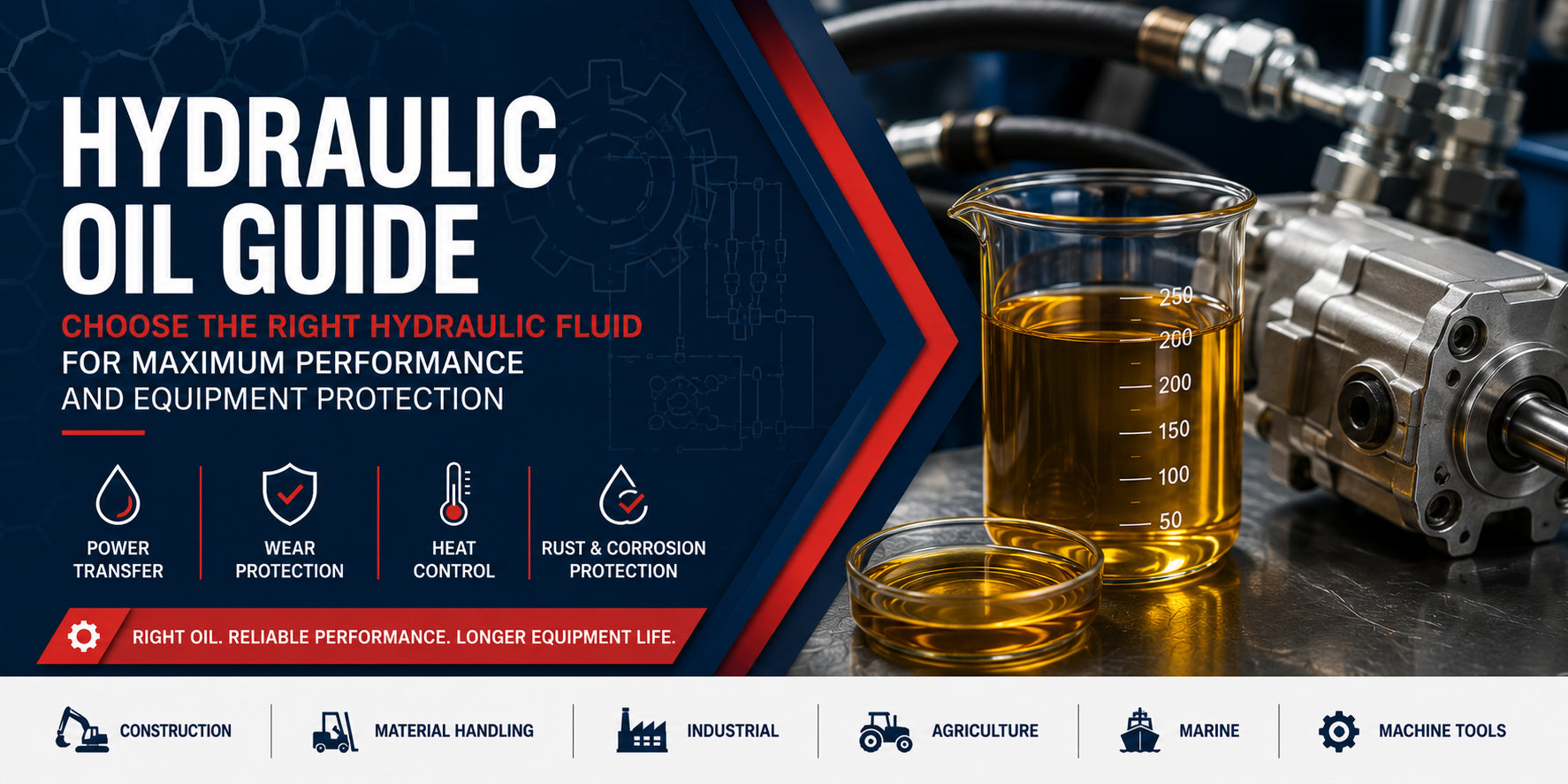
Hydraulic oil is the fluid used to transfer power, reduce wear, protect pumps, control heat, and support smooth operation in hydraulic systems. Choosing the correct hydraulic oil depends on viscosity grade, operating temperature, equipment type, pressure, and manufacturer recommendations.
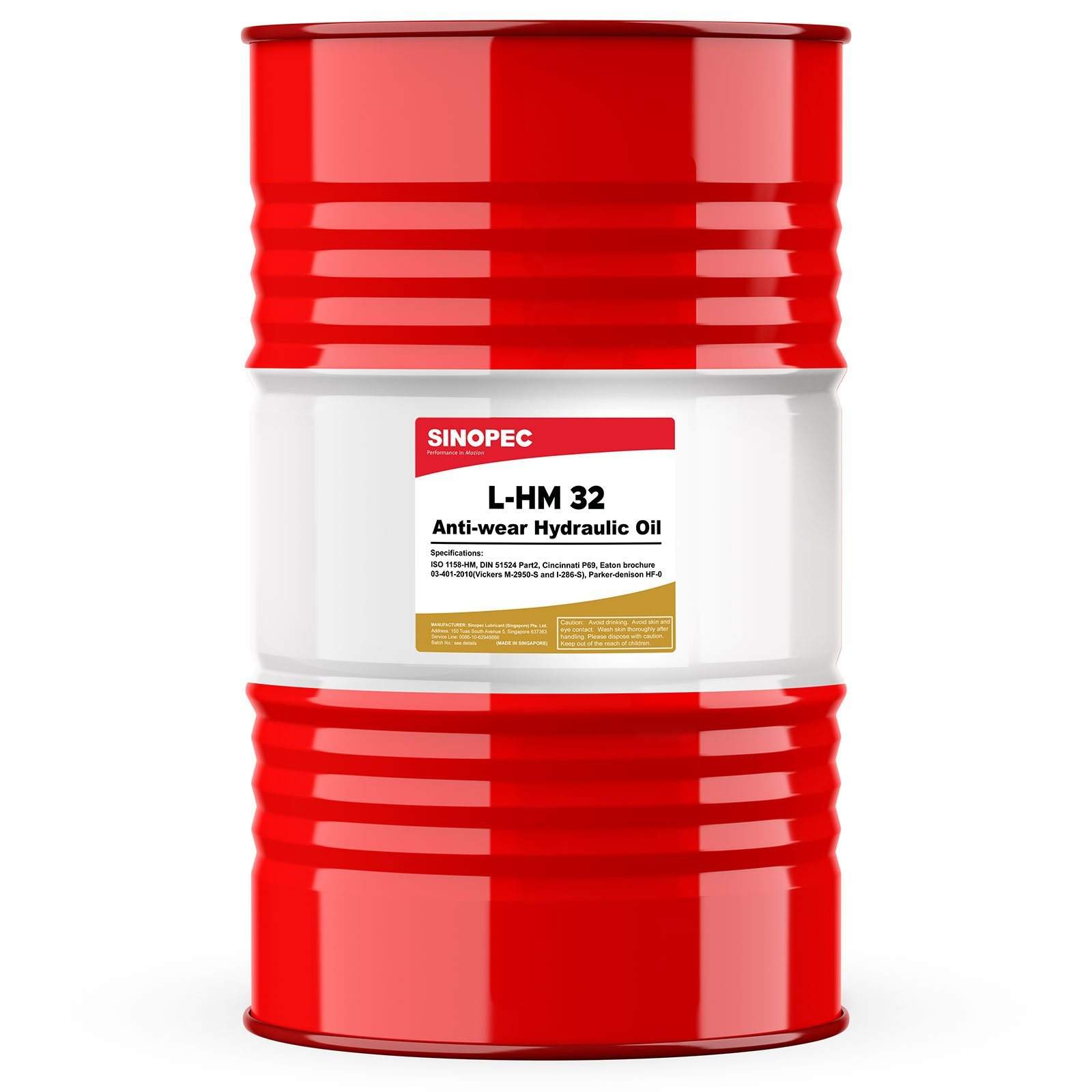
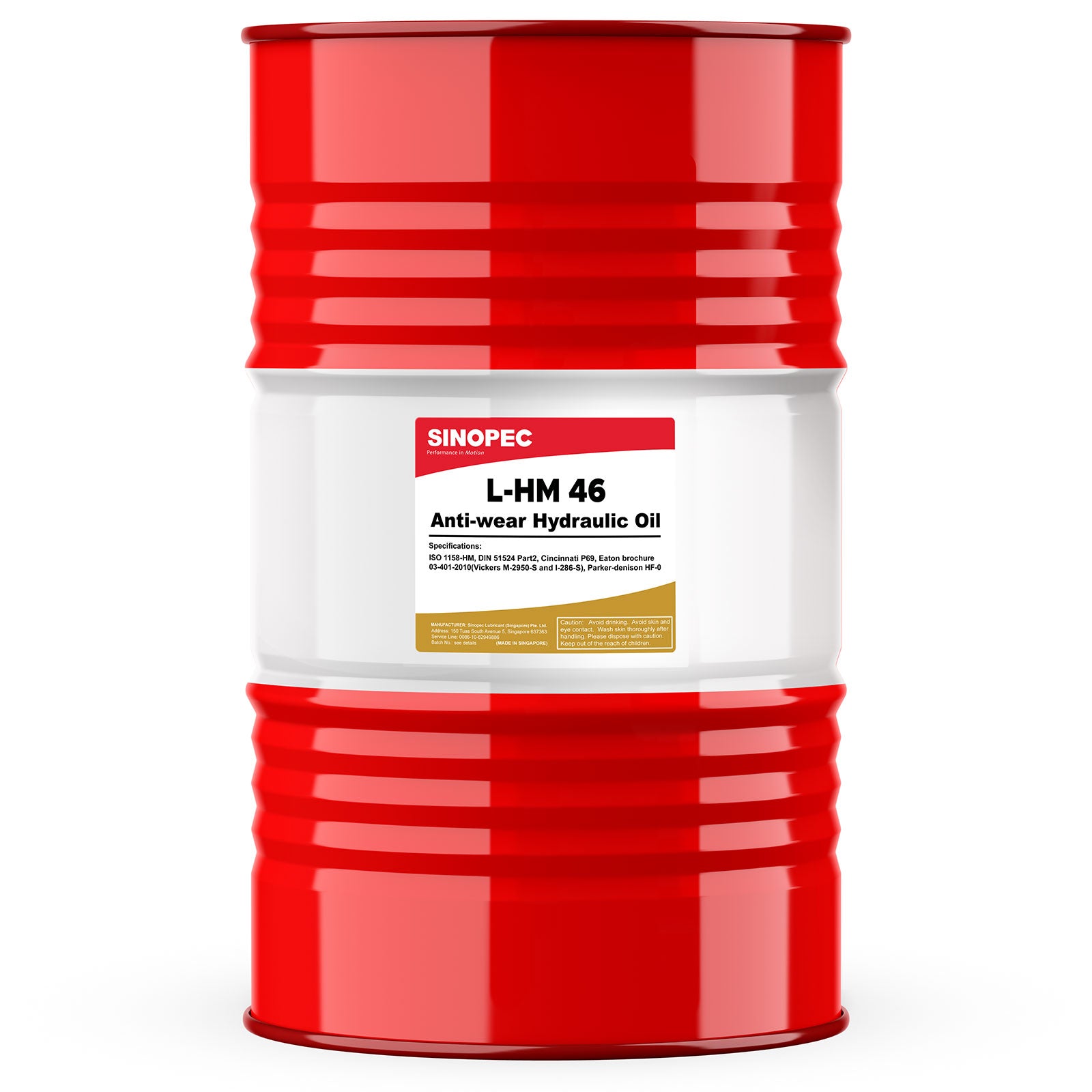
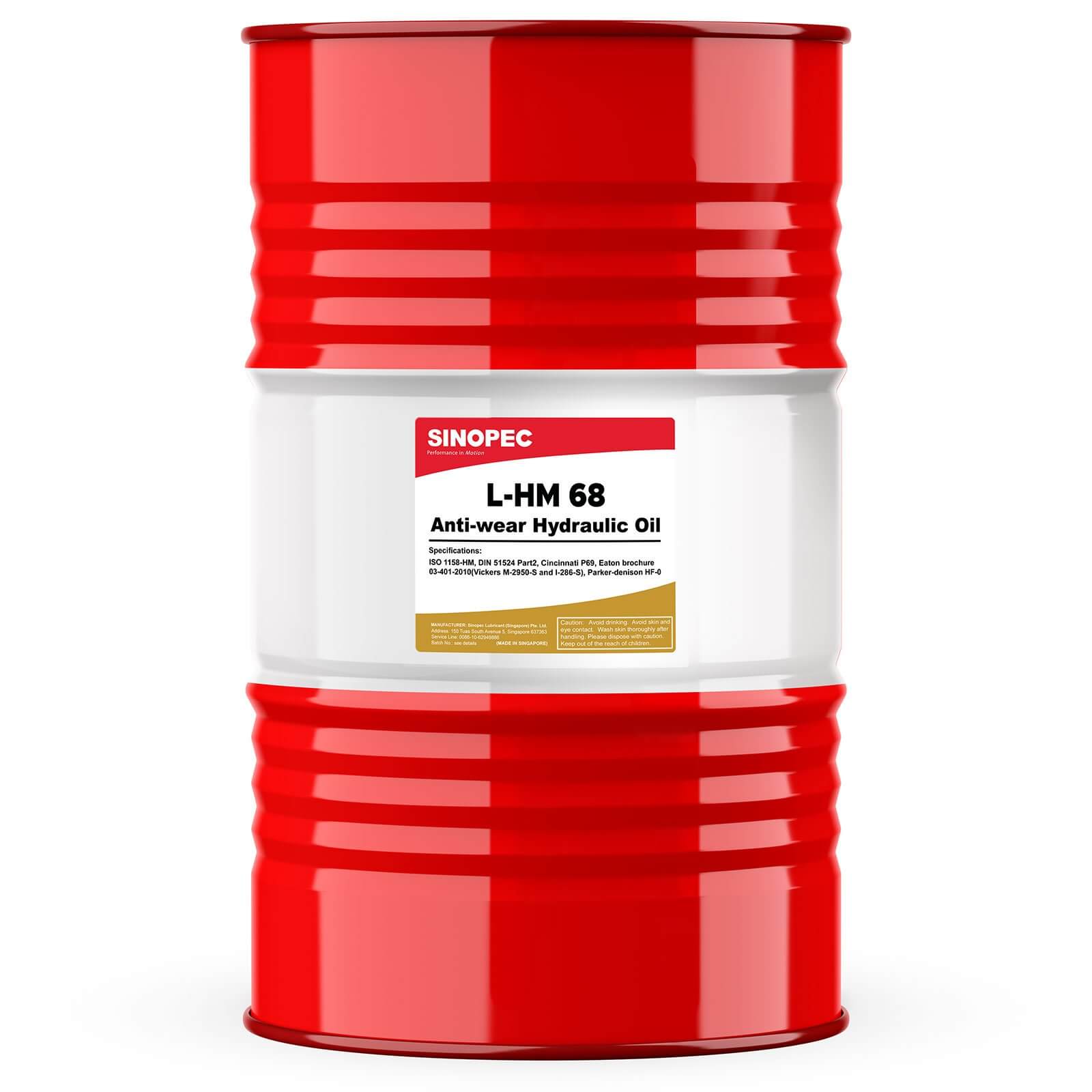
The best hydraulic oil is the one that matches your equipment’s required ISO viscosity grade and operating conditions. Common hydraulic oil grades include AW 32, AW 46, AW 68, and AW 100. AW 32 is often used in colder conditions, AW 46 is a common all-purpose grade, AW 68 is used in warmer or heavier-duty applications, and AW 100 is used where higher viscosity is required.
What Is Hydraulic Oil?
Hydraulic oil is a specially formulated lubricant used in hydraulic systems to transmit power and protect internal components. It helps move force through pumps, valves, cylinders, hoses, and actuators.
In simple terms, hydraulic oil allows a machine to lift, push, press, steer, or move with controlled force. It also helps reduce friction, remove heat, prevent rust, and protect metal surfaces from wear.
What Is Hydraulic Oil Used For?
Hydraulic oil is used in many types of industrial, mobile, construction, agricultural, marine, and manufacturing equipment. Any machine that uses hydraulic pressure usually requires the correct hydraulic fluid to operate safely and efficiently.
- Excavators, loaders, skid steers, forklifts, and cranes
- Hydraulic presses and industrial machinery
- Marine hydraulic systems
- Agricultural tractors and implements
- Manufacturing equipment and machine tools
- Dump trucks, lift gates, and mobile hydraulic systems
Main Functions of Hydraulic Oil
Power Transfer
Hydraulic oil transfers force through the system so equipment can lift, move, press, and control motion.
Wear Protection
Anti-wear additives help protect pumps, valves, cylinders, and other moving parts.
Heat Control
Hydraulic oil helps carry heat away from critical components during operation.
Rust Protection
Hydraulic oil helps protect metal parts from rust, corrosion, and moisture-related damage.
What Does Hydraulic Oil Viscosity Mean?
Hydraulic oil viscosity describes how thick or thin the oil is. A lower viscosity oil flows more easily, while a higher viscosity oil is thicker and may provide stronger film protection under higher temperatures or heavier loads.
Hydraulic oil viscosity is commonly listed as ISO VG, such as ISO VG 32, ISO VG 46, ISO VG 68, or ISO VG 100. The number helps identify the oil’s flow characteristics at standard testing temperature.
| Hydraulic Oil Grade | General Meaning | Common Use |
|---|---|---|
| AW 32 / ISO VG 32 | Lighter hydraulic oil | Cold weather, lower temperature operation, systems needing easier flow |
| AW 46 / ISO VG 46 | Medium viscosity hydraulic oil | Common all-purpose hydraulic systems |
| AW 68 / ISO VG 68 | Heavier hydraulic oil | Warmer conditions, higher loads, industrial systems |
| AW 100 / ISO VG 100 | High viscosity hydraulic oil | Applications needing thicker oil film and higher viscosity protection |
What Does AW Mean in Hydraulic Oil?
AW stands for anti-wear. AW hydraulic oil contains additives that help reduce wear on pumps and other hydraulic system components. This is especially important in systems operating under pressure, load, and continuous movement.
Common AW hydraulic oils include AW 32, AW 46, AW 68, and AW 100. These grades are widely used in industrial and mobile hydraulic equipment.
AW 32 vs AW 46 vs AW 68 Hydraulic Oil
The difference between AW 32, AW 46, and AW 68 hydraulic oil is mainly viscosity. AW 32 is thinner, AW 46 is medium, and AW 68 is thicker. The correct choice depends on the machine, temperature, pressure, and manufacturer recommendation.
AW 32 Hydraulic Oil
AW 32 is a lighter hydraulic oil commonly used when easier flow is needed, especially in colder temperatures or systems requiring lower viscosity.
AW 46 Hydraulic Oil
AW 46 is one of the most common hydraulic oil grades. It is often used in general industrial and mobile hydraulic systems.
AW 68 Hydraulic Oil
AW 68 is thicker than AW 32 and AW 46. It is often used in warmer operating conditions, heavier-duty applications, or systems needing a stronger oil film.
AW 100 Hydraulic Oil
AW 100 is a higher viscosity hydraulic oil used where the system requires thicker lubricant protection.
How to Choose the Right Hydraulic Oil
To choose the right hydraulic oil, always start with the equipment manual or manufacturer recommendation. The correct oil should match the required viscosity grade, system pressure, operating temperature, pump type, and working environment.
- Check the equipment manual for the recommended ISO viscosity grade.
- Match the viscosity to the operating temperature and system requirements.
- Use anti-wear hydraulic oil when the system requires pump and component protection.
- Consider temperature changes if the equipment operates outdoors or in cold weather.
- Avoid mixing unknown oils unless compatibility is confirmed.
- Monitor oil condition for contamination, water, dark color, foam, or unusual odor.
Common Signs You May Need to Change Hydraulic Oil
- Hydraulic system runs hotter than normal
- Slow hydraulic response or weak lifting power
- Foaming or air bubbles in the oil
- Oil looks dark, dirty, milky, or contaminated
- Unusual pump noise or vibration
- Reduced equipment performance
- Visible leaks or oil breakdown
Can You Mix Different Hydraulic Oils?
Mixing hydraulic oils is not recommended unless compatibility is confirmed. Different hydraulic oils may contain different additive systems, viscosity grades, and base oil types. Mixing the wrong fluids can reduce performance, cause foaming, affect filtration, or shorten component life.
If you are changing from one hydraulic oil to another, it is best to review the equipment requirements and follow proper drain, flush, and refill procedures when needed.
Hydraulic Oil for Cold Weather
In cold weather, hydraulic oil becomes thicker and may not flow as easily. If the oil is too thick, the system may respond slowly, pumps may work harder, and startup wear may increase.
For colder conditions, equipment may require a lower viscosity hydraulic oil such as AW 32 or a high viscosity index hydraulic fluid designed for wider temperature ranges.
Hydraulic Oil for Heavy-Duty Equipment
Heavy-duty equipment often operates under high pressure, heavy load, dust, moisture, and long working hours. For these applications, hydraulic oil should provide strong anti-wear protection, oxidation stability, rust protection, and reliable viscosity control.
Construction, mining, marine, agricultural, and industrial equipment may require different hydraulic oil grades depending on operating conditions.
Hydraulic Oil Selection Summary
| Question | Simple Answer |
|---|---|
| Best hydraulic oil for cold weather? | A lower viscosity grade such as AW 32 may be used when approved by the equipment manufacturer. |
| Most common hydraulic oil grade? | AW 46 is commonly used in many general hydraulic systems. |
| Best hydraulic oil for warmer conditions? | AW 68 may be used in warmer conditions or heavier-duty systems when specified. |
| Does hydraulic oil protect pumps? | Yes, anti-wear hydraulic oil helps protect pumps, valves, and moving parts. |
Frequently Asked Questions About Hydraulic Oil
What is hydraulic oil?
Hydraulic oil is a fluid used to transfer power and protect components inside hydraulic systems.
What is the difference between AW 32 and AW 46 hydraulic oil?
AW 32 is thinner than AW 46. AW 32 is often used where easier flow is needed, while AW 46 is commonly used in general hydraulic systems.
What is the difference between AW 46 and AW 68 hydraulic oil?
AW 68 is thicker than AW 46 and may be used in warmer temperatures or heavier-duty applications when required by the equipment.
Can hydraulic oil be used as engine oil?
No. Hydraulic oil and engine oil are designed for different systems and should not be used interchangeably unless the equipment manufacturer specifically allows it.
How often should hydraulic oil be changed?
Hydraulic oil change intervals depend on equipment type, operating hours, environment, contamination level, and manufacturer recommendations.
What happens if I use the wrong hydraulic oil?
Using the wrong hydraulic oil can cause poor performance, overheating, increased wear, slow response, foaming, or component damage.
Shop Hydraulic Oil
Find hydraulic oil for industrial, mobile, construction, agricultural, and heavy-duty equipment applications.
View Hydraulic Oil Products