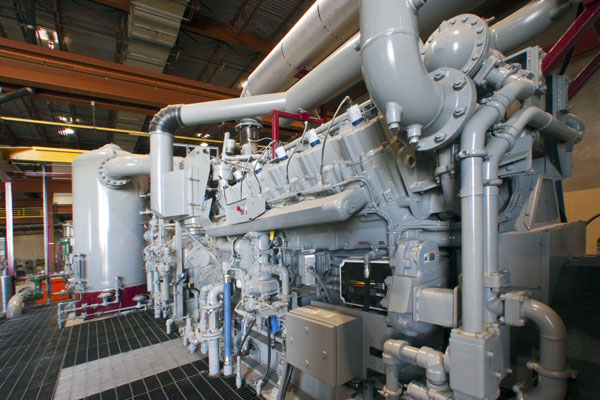
Why Specifications Matter for Natural Gas Engine Oils
Unlike diesel engines, stationary natural gas engines operate:
-
At constant speeds
-
Under continuous load
-
With strict deposit and valve protection requirements
That’s why OEMs specify:
-
Low ash limits
-
Specific viscosity ranges
-
Controlled base reserve (TBN)
Correct specifications ensure:
-
Valve cleanliness
-
Controlled oxidation
-
Long service intervals
SAE 40 Viscosity Grade Explained
SAE 40 is a monograde viscosity commonly specified for:
-
Stationary gas engines
-
Power generation engines
-
Compressor engines
It provides:
-
Stable oil film at high operating temperatures
-
Consistent lubrication during continuous operation
This makes SAE 40 ideal for engines running 24/7 under steady load.
Key Physical & Chemical Specifications (What They Mean)
Kinematic Viscosity (ASTM D445)
-
115.5 cSt @ 40°C
-
12.75 cSt @ 100°C
These values indicate:
-
Proper oil thickness at startup
-
Stable lubrication at high operating temperature
This balance is critical for preventing wear while maintaining efficiency.
Viscosity Index (ASTM D2270): 102
A viscosity index of 102 shows:
-
Controlled viscosity change across temperature ranges
-
Predictable lubrication performance in long-run applications
Sulfated Ash (ASTM D874): 0.52 wt%
Low ash content is essential for natural gas engines because it:
-
Reduces combustion chamber deposits
-
Protects exhaust valves
-
Minimizes valve recession
Values around 0.5% are typical for low ash gas engine oils.
Total Base Number (TBN – ASTM D2896): 4.46 mg KOH/g
TBN indicates the oil’s ability to:
-
Neutralize acidic byproducts
-
Maintain engine cleanliness over time
A moderate TBN level is ideal for clean-burning natural gas engines.
Pour Point (ASTM D97): -30°C
This indicates:
-
Good low-temperature flow
-
Reliable oil circulation during cold starts
Important for outdoor installations or variable climates.
Flash Point (COC – ASTM D92): 250°C
A high flash point provides:
-
Improved thermal stability
-
Reduced oil consumption
-
Lower volatility during high-temperature operation
Density @ 20°C (ASTM D4052): 0.8749 kg/L
Density helps:
-
Calculate oil volume vs weight
-
Ensure correct system fill quantities
OEM Approvals & Specifications
This SAE 40 low ash natural gas engine oil meets or exceeds requirements for:
OEM Approvals
-
Caterpillar - SEBU6400-05 (Nov 2010)
OEM Specifications
-
Waukesha - NGEO Service Bulletin 12-1880AG
-
GE Jenbacher - 1000-0099B
-
MWM - TR-0199-99-2105
These approvals indicate suitability for major stationary gas engine platforms.
What Engines Typically Require These Specifications?
Engines that commonly specify low ash SAE 40 oil include:
-
Stationary natural gas engines
-
Gas-fired power generation units
-
Compressor engines
-
Engines operating on natural gas, landfill gas, or biogas
Always verify OEM manuals before selection.
Bulk Packaging for Industrial Operations
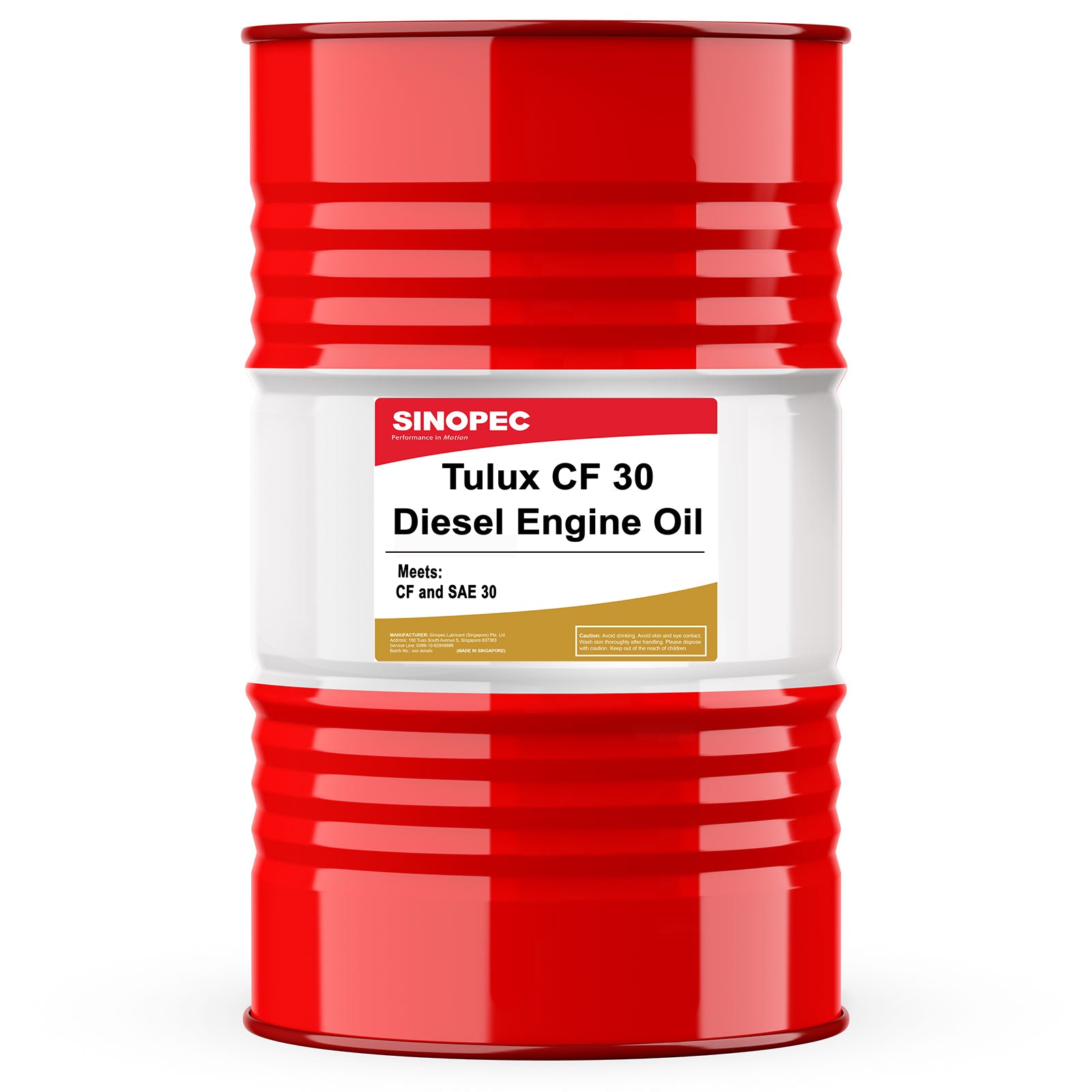
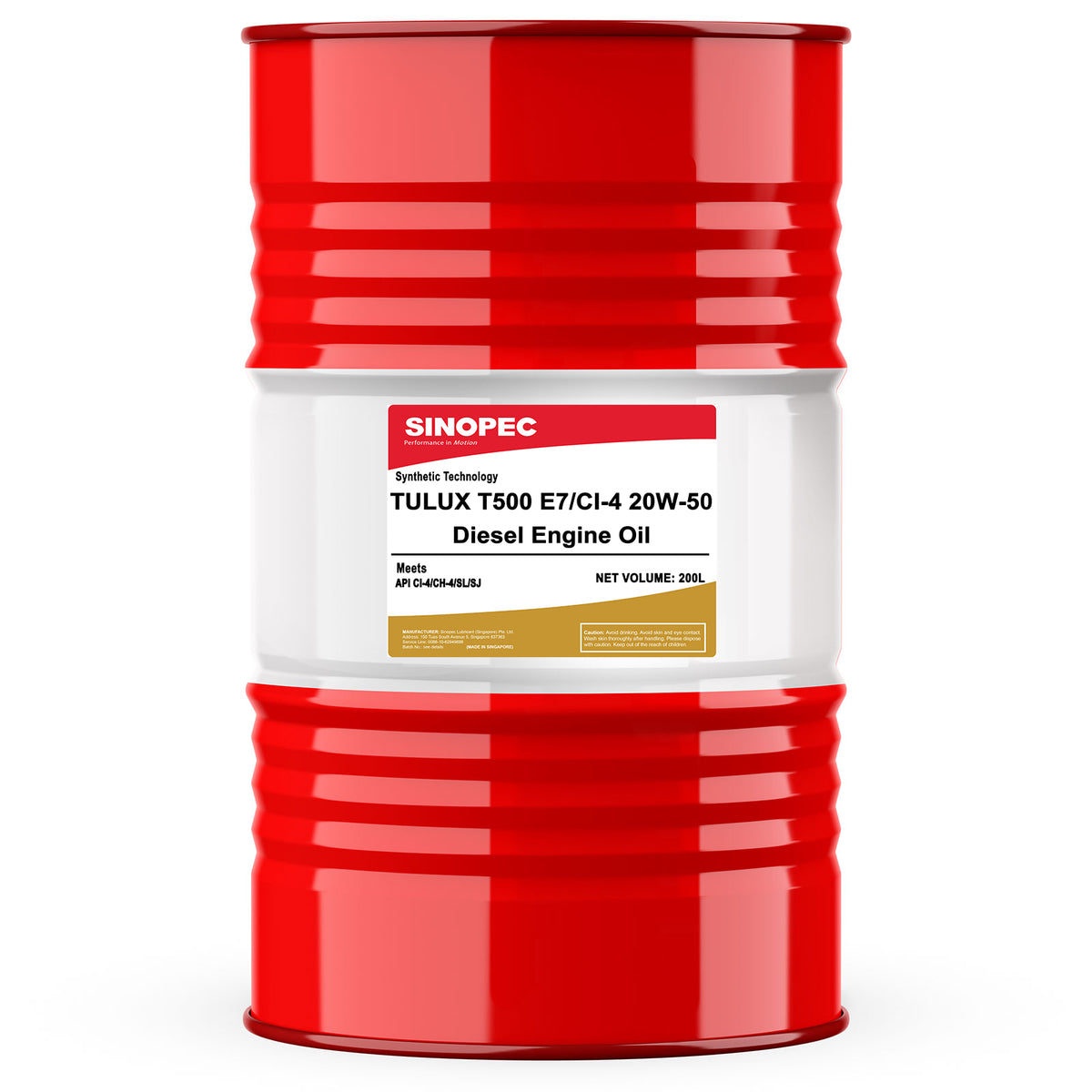
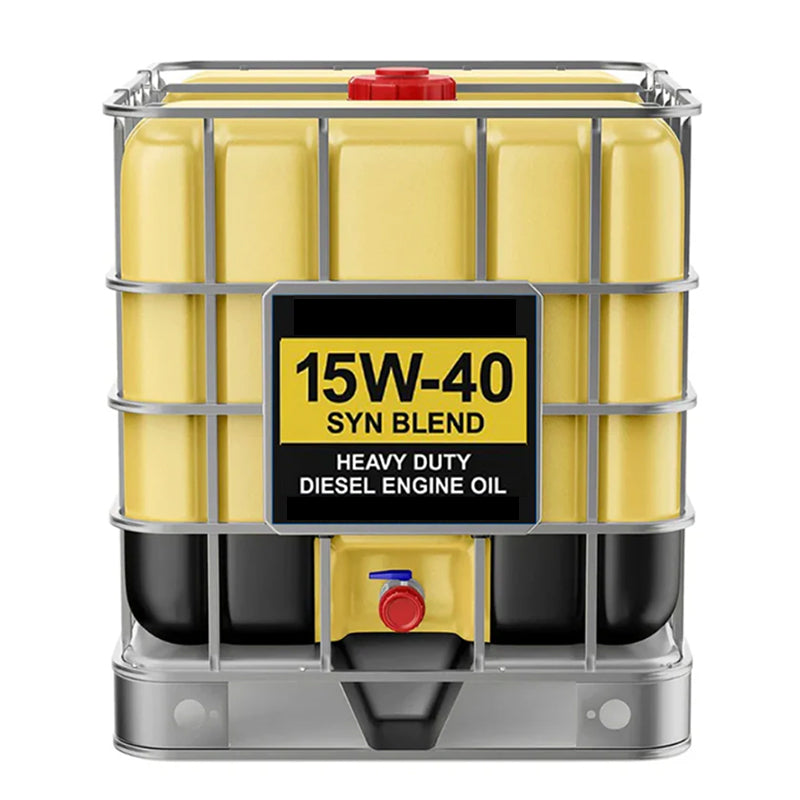
For continuous-run engines, oil is typically supplied in:
-
55-gallon drums
-
Bulk quantities for multi-engine sites
Bulk packaging supports:
-
Reduced downtime
-
Simplified maintenance planning
Frequently Asked Questions
Is this oil suitable for stationary natural gas engines?
Yes. The specifications and OEM references indicate it is designed for stationary and continuous-duty gas engines.
Does low ash oil reduce valve wear?
Yes. Low sulfated ash levels help minimize deposits and protect exhaust valves.
Can this oil be used in power generation engines?
Yes. SAE 40 low ash oils are commonly used in gas-fired power generation applications.
Is this oil suitable for landfill gas or biogas engines?
In many cases, yes - provided OEM requirements are met and operating conditions are confirmed.
What viscosity grade should I choose for a continuous-run engine?
SAE 40 is often recommended for steady-state, high-temperature operation in stationary engines.