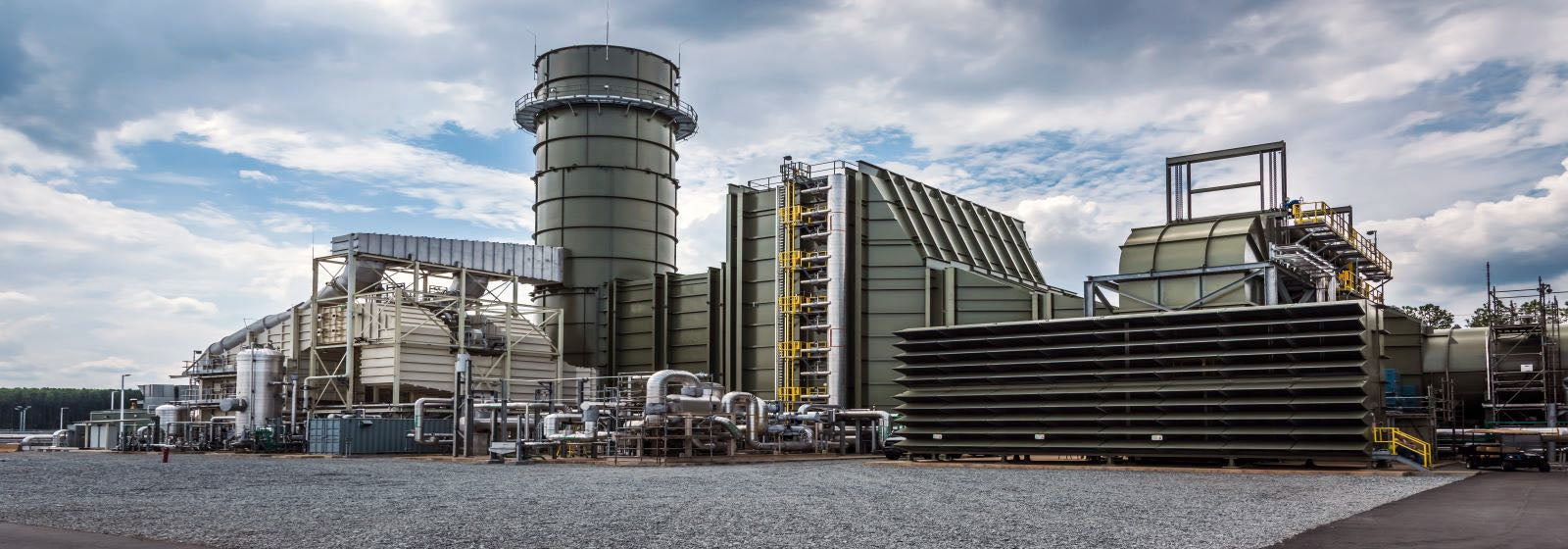
Why Choosing the Right Natural Gas Engine Oil Matters
Stationary natural gas engines are often used in continuous, long-hour operations such as power generation, compression, and industrial facilities.
Using the wrong engine oil can lead to:
-
Increased deposit formation
-
Valve and piston wear
-
Higher maintenance costs
-
Reduced engine efficiency
That’s why selecting the right oil for your operating conditions is critical.
What Type of Engines Are Considered “Stationary”?
Stationary engines are engines that:
-
Operate in one fixed location
-
Run for long, uninterrupted periods
-
Are commonly used for power generation or industrial processes
These engines place different demands on lubrication compared to mobile or on-road engines.
Key Factors to Consider When Selecting Natural Gas Engine Oil
Instead of focusing on brand names, operators should evaluate how the engine is used.
1️⃣ Operating Hours
Engines running continuously need oil that:
-
Maintains stability over long periods
-
Resists oxidation
-
Controls deposits effectively
2️⃣ Operating Temperature
Higher operating temperatures require oil that:
-
Maintains film strength
-
Protects engine components under thermal stress
3️⃣ Fuel Type
Engines running on:
-
Natural gas
-
Biogas
-
Landfill gas
may require oils designed to manage combustion byproducts specific to those fuels.
Common Mistakes When Choosing Gas Engine Oil
Common causes include:
-
Using oil not designed for gas engines
-
Ignoring ash requirements
-
Selecting oil based only on availability, not application
Avoiding these mistakes helps extend engine life and reduce downtime.
How Oil Selection Impacts Maintenance and Downtime
Proper oil selection can:
-
Reduce unplanned shutdowns
-
Extend service intervals
-
Improve engine cleanliness
-
Lower total cost of ownership
For facilities operating multiple engines, consistent oil selection is especially important.
Frequently Asked Questions
How do I know if my engine requires low ash oil?
Most stationary natural gas engines require low ash oil to reduce deposits and protect valves. Always confirm with the engine manufacturer’s guidelines.
Does engine size affect oil selection?
Yes. Larger engines operating under continuous load may have different lubrication requirements than smaller standby units.
Can the wrong oil increase maintenance frequency?
Yes. Using oil not suited for gas engine operation can lead to deposits, wear, and more frequent maintenance.
Is oil selection more important for continuous-duty engines?
Absolutely. Continuous-duty engines depend heavily on proper lubrication to maintain performance and reliability.
Continue Reading
What Is Natural Gas Low Ash SAE 40 Engine Oil?
(Explains what this oil is and why it’s used)
Where to Buy Natural Gas Low Ash SAE 40 Engine Oil in Bulk
(Covers bulk packaging and supply considerations)
Natural Gas Engine Oil SAE 30 vs SAE 40: Which One Should You Use?
(Helps compare viscosity grades for decision-making)