Compressor Oil Guide: How to Choose the Right Air Compressor Oil
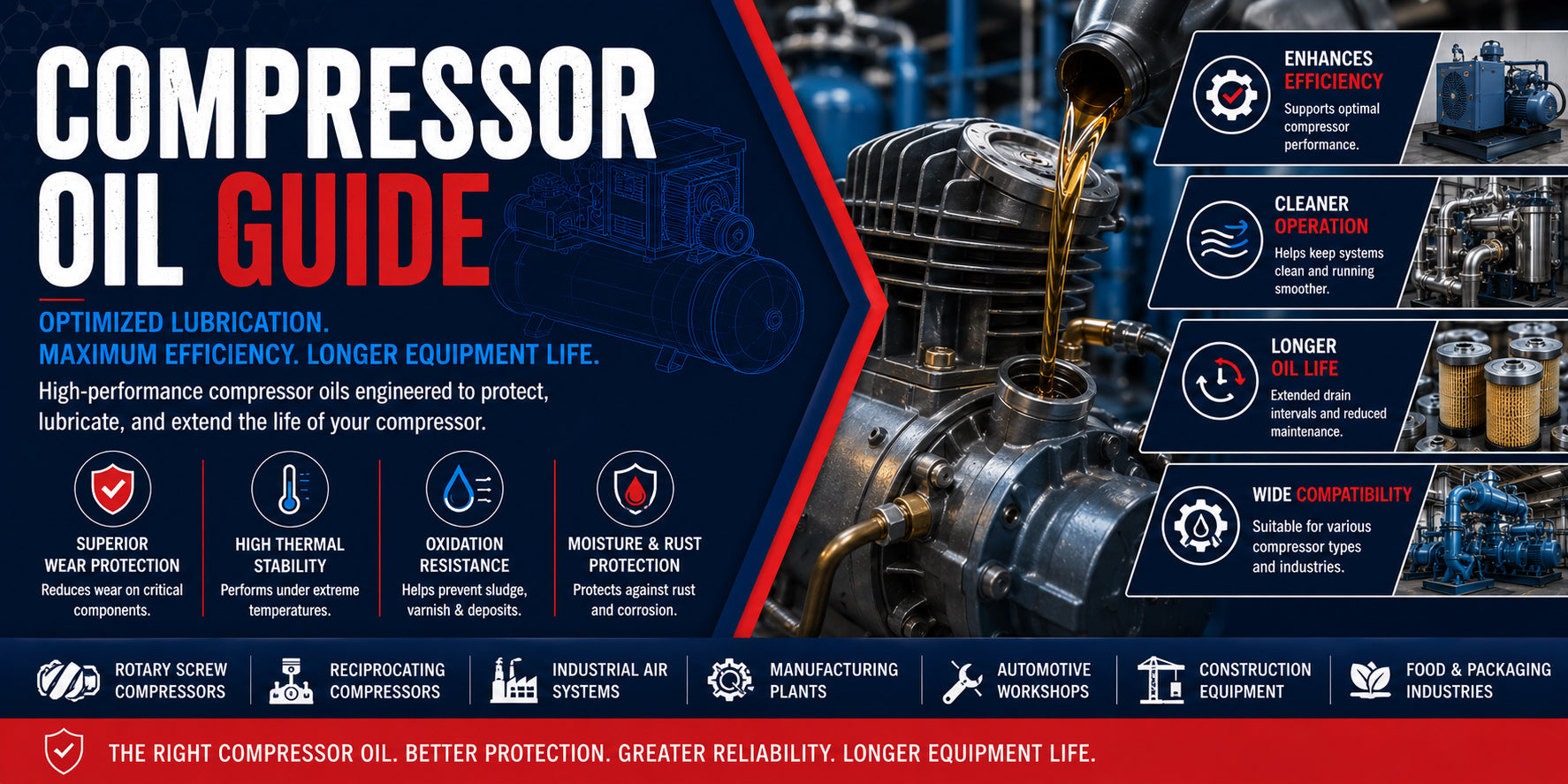
Compressor oils are specially formulated lubricants designed to protect air compressors from wear, heat, oxidation, sludge formation, and moisture contamination. Choosing the correct compressor oil helps improve compressor efficiency, reliability, and equipment life.
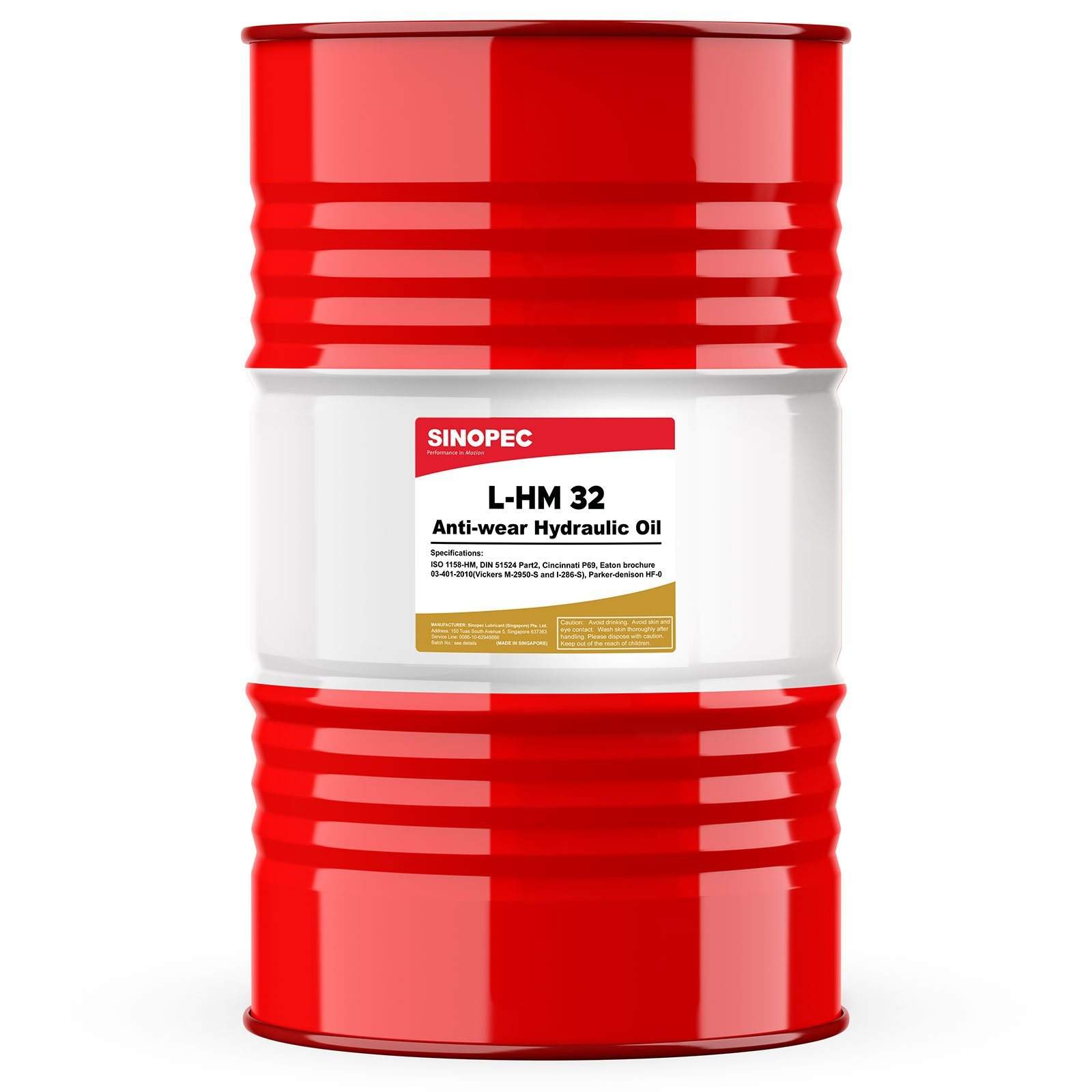
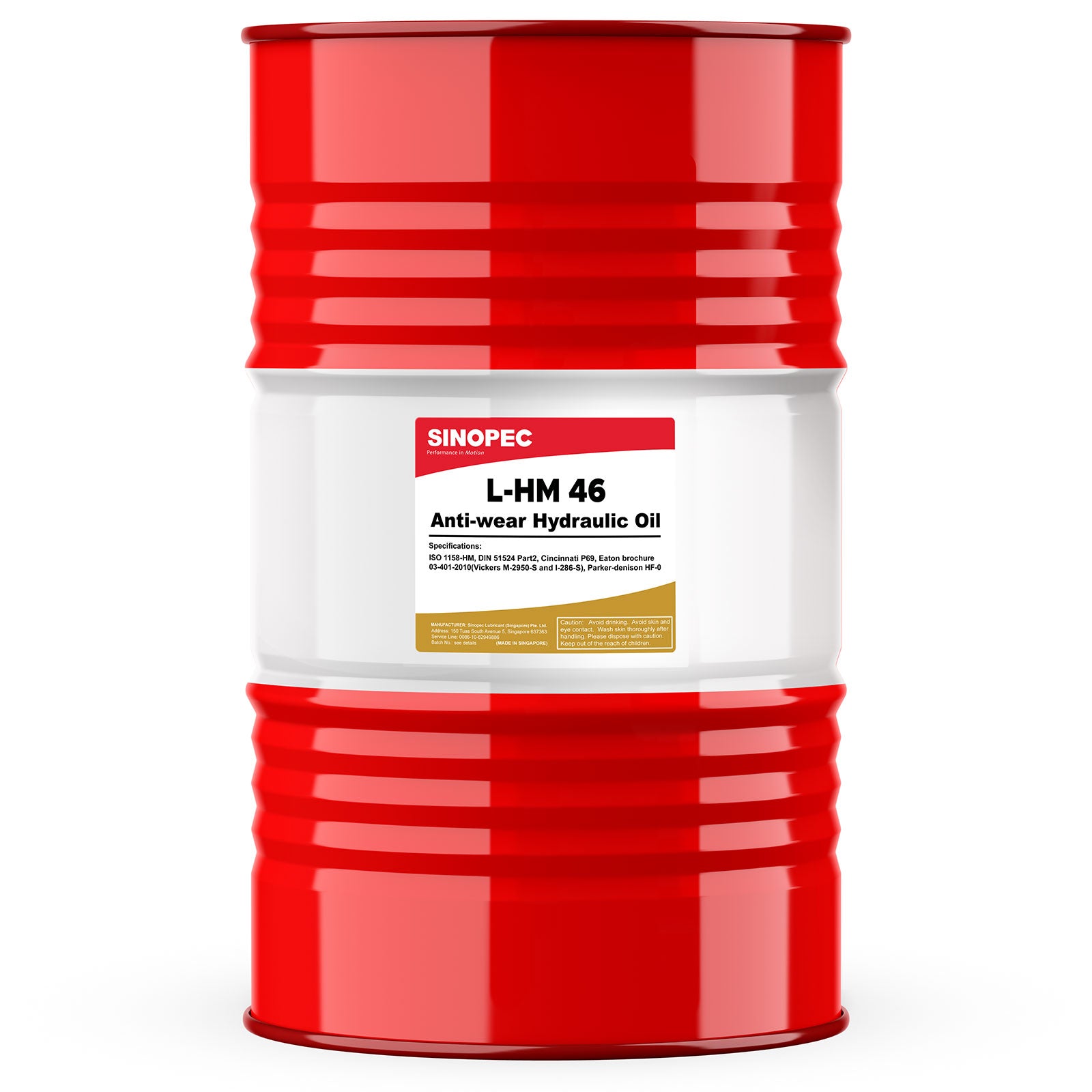
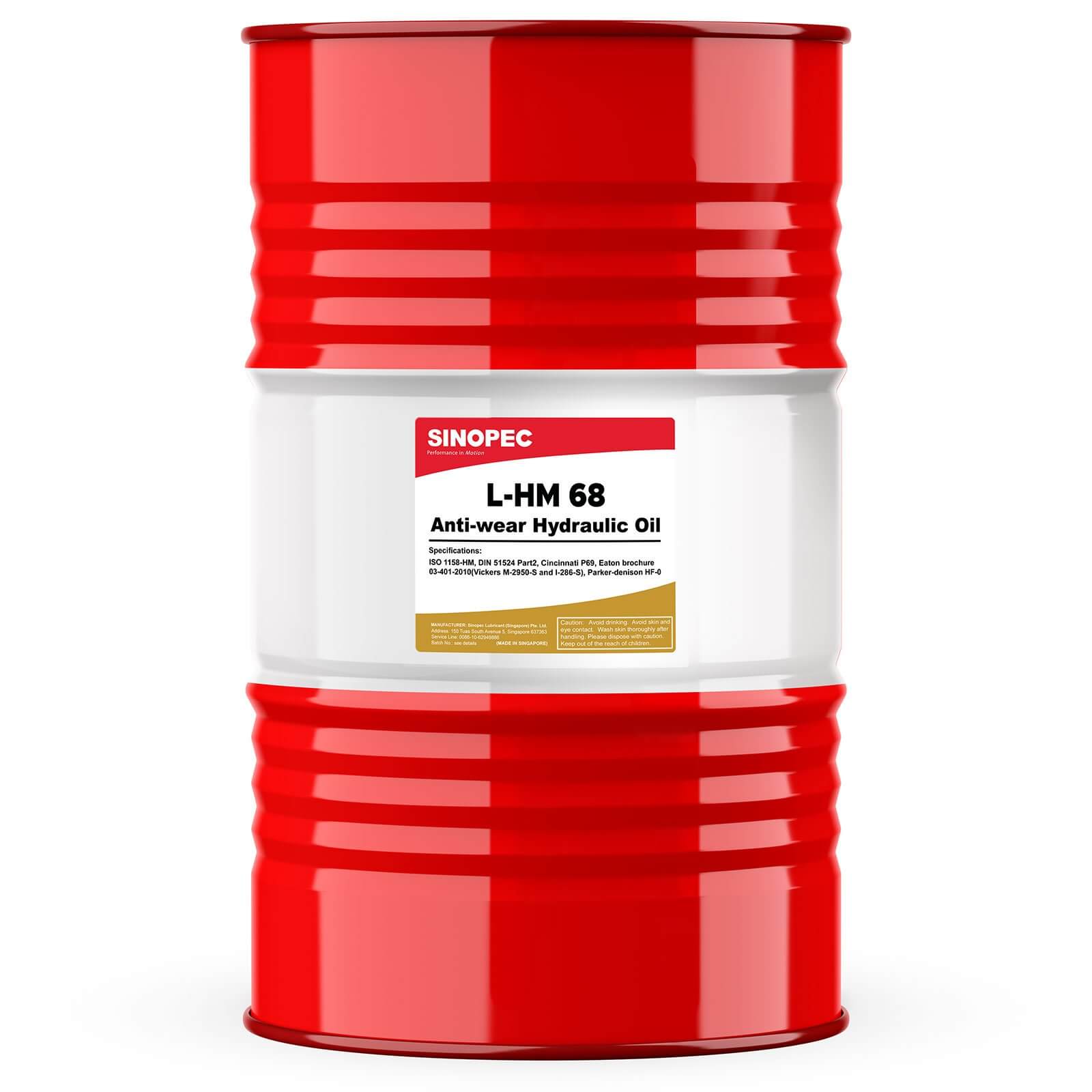
The best compressor oil depends on compressor type, operating temperature, pressure conditions, and manufacturer recommendations. Common compressor oil viscosities include ISO 32, ISO 46, ISO 68, and synthetic compressor lubricants designed for high-temperature operation.
Quick Compressor Oil Facts
Heat Resistance
Compressor oils are designed for elevated operating temperatures.
Oxidation Stability
Helps reduce sludge, carbon deposits, and varnish buildup.
Wear Protection
Helps protect bearings, rotors, pistons, and compressor components.
Moisture Control
Supports rust protection and cleaner compressor operation.
What Is Compressor Oil?
Compressor oil is a specialized industrial lubricant formulated for air compressors and gas compressors operating under high temperatures and pressure conditions.
These lubricants help reduce friction, control heat, minimize wear, protect internal components, and maintain compressor efficiency during continuous operation.
Common Types of Compressor Oils
Rotary Screw Compressor Oil
Designed for rotary screw compressors requiring oxidation stability and long service life.
Reciprocating Compressor Oil
Formulated for piston compressors operating under high pressure and heat.
Synthetic Compressor Oil
Provides superior thermal stability, oxidation resistance, and extended drain intervals.
Common Applications for Compressor Oil
- Rotary screw compressors
- Reciprocating air compressors
- Industrial compressed air systems
- Manufacturing facilities
- Automotive repair shops
- Construction equipment
- Food and packaging systems
- Industrial gas compressors
Benefits of Compressor Oil
Reduced Wear
Helps protect moving components from friction and metal-to-metal contact.
Cleaner Operation
Helps minimize carbon deposits and sludge buildup.
Longer Oil Life
High-quality oils maintain performance during extended operating hours.
Better Heat Control
Helps manage heat generated during compressor operation.
Common Compressor Oil Viscosity Grades
| ISO Grade | Common Use | Application |
|---|---|---|
| ISO 32 | Light viscosity | High-speed compressors |
| ISO 46 | General industrial use | Rotary screw compressors |
| ISO 68 | Heavy-duty operation | High-temperature compressor systems |
How to Choose the Right Compressor Oil
- Check compressor manufacturer recommendations.
- Match the required viscosity grade.
- Consider operating temperature and pressure conditions.
- Choose synthetic oils for extended drain intervals and severe conditions.
- Monitor oil condition regularly for contamination or oxidation.
Best Compressor Oil by Application
Rotary Screw Compressors
Require oxidation stability and efficient heat control.
Piston Compressors
Need strong anti-wear protection under high pressure conditions.
Industrial Systems
Benefit from long-life compressor lubricants and cleaner operation.
High-Temperature Systems
Require synthetic oils with excellent thermal stability.
Common Compressor Oil Problems
Carbon Deposits
Poor oxidation stability may lead to carbon buildup inside compressors.
Moisture Contamination
Water contamination may reduce lubrication performance and cause rust.
Excessive Heat
High temperatures may accelerate oil degradation and shorten oil life.
Incorrect Oil Selection
Using the wrong oil may affect compressor efficiency and durability.
Compressor Oil FAQs
What is compressor oil used for?
Compressor oil lubricates and protects air compressors and industrial compressor systems.
Can motor oil be used in an air compressor?
Compressor oils are specially formulated for compressor systems and are generally preferred over motor oils.
What viscosity compressor oil should I use?
The correct viscosity depends on compressor type, operating temperature, and OEM requirements.
Why does compressor oil form carbon deposits?
Oxidation and excessive heat may lead to carbon buildup inside compressor systems.
Shop Compressor Oils
Explore compressor oils designed for rotary screw compressors, piston compressors, industrial air systems, and high-temperature industrial compressor applications.
View Compressor Oil Products